
Hot Water Cornbread
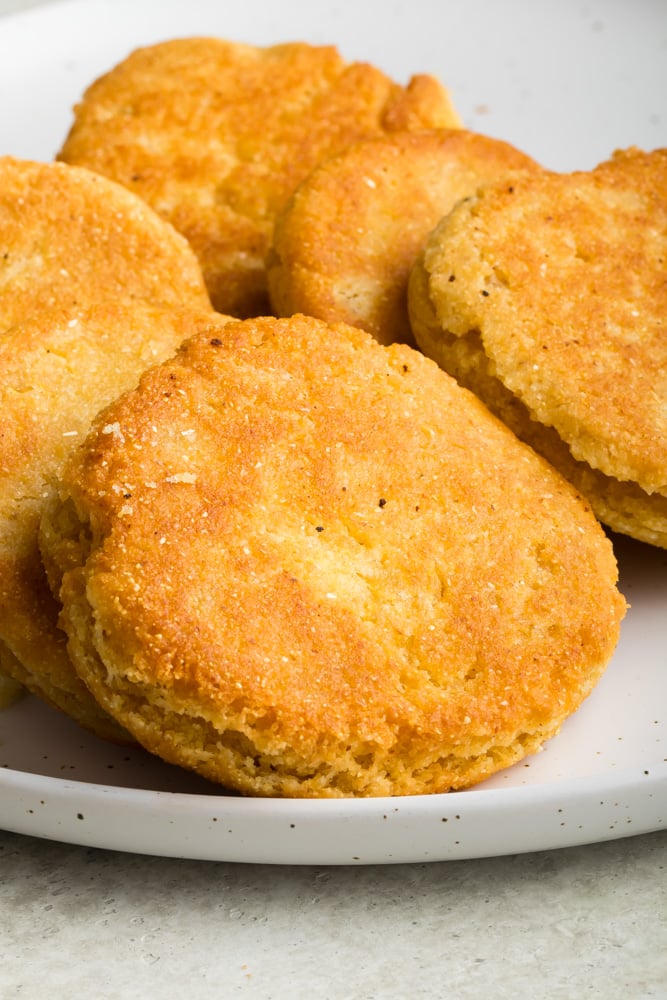
Hot water cornbread is a Southern classic made by mixing cornmeal with boiling water, shaping it into patties, and frying until golden brown. This recipe uses self-rising yellow cornmeal mix with a little butter and sugar for extra flavor and a softer center. The outside gets crispy while the inside stays tender, and you only need a few simple ingredients to make it.
What Is Hot Water Cornbread?
Hot water cornbread is a traditional Southern dish made by combining cornmeal with boiling water, shaping the dough into small patties, and frying them until golden brown. The outside gets crispy while the center stays soft.
The boiling water softens the cornmeal and helps create a dough firm enough to shape by hand. Traditional recipes can be as simple as cornmeal, water, and salt, but this version includes butter and a little sugar for extra flavor and a softer texture.
Unlike my Fried Cornbread, which uses buttermilk, egg, and a batter dropped into the skillet, this recipe uses boiling water and a thicker dough that’s shaped before frying. Southern hoe cakes are another variation, typically made with a thinner batter and cooked more like small pancakes.
What Cornmeal Should You Use for Hot Water Cornbread?
For this recipe, I use self-rising yellow cornmeal mix, which is different from regular yellow cornmeal. Self-rising cornmeal mix contains flour, salt, and leavening ingredients that help the cornbread puff up slightly as it fries.
Plain yellow cornmeal doesn’t contain those additional ingredients, so it won’t necessarily produce the same results with these measurements. I recommend sticking with self-rising cornmeal mix for the best results.
How to Make Hot Water Cornbread
- Combine the ingredients. Add the self-rising yellow cornmeal mix, cold butter, sugar, and salt to a mixing bowl.
- Add the boiling water. Bring water to a boil, then measure out ½ cup and pour it into the bowl. Stir until the butter melts and a thick dough forms. The dough should hold together when touched, with little to no crumbs sticking to your fingers.
- Let the dough rest. Allow the dough to sit for 5 minutes while you prepare the frying pan.
- Heat the oil. Add approximately ¼ cup of oil to a 10-inch cast-iron skillet, or just enough to cover the bottom. Heat over medium-low. You want a gentle sizzle when the cornbread touches the oil, not vigorous bubbling.
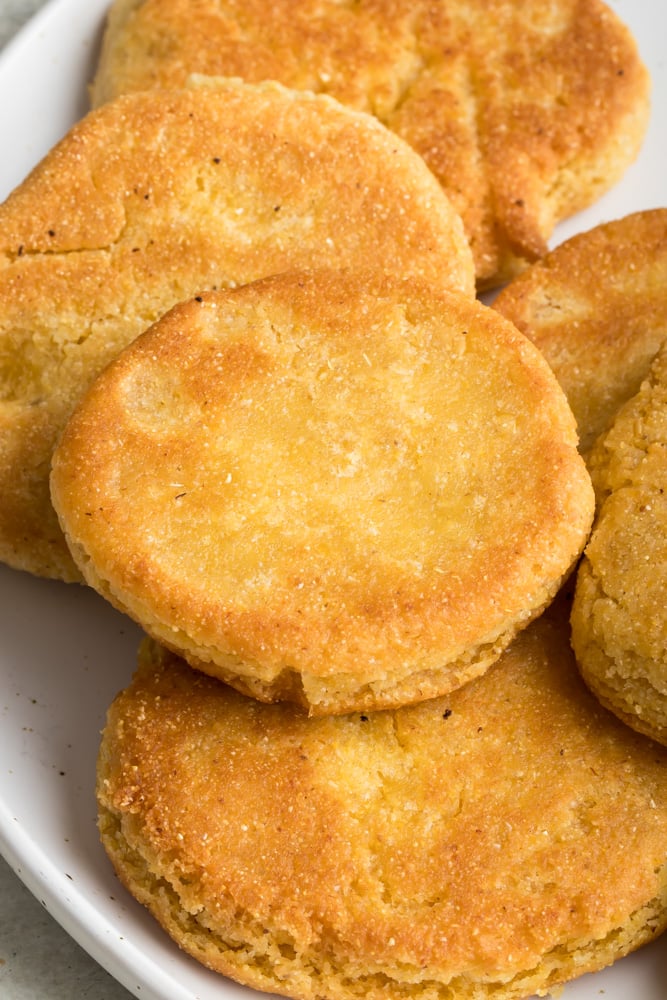
- Shape the cornbread. Divide the dough into six portions, approximately 50–60 grams each. Roll each portion into a ball between your hands, then flatten it into a patty about ½ inch thick. The dough should hold together without leaving many crumbs on your hands.
- Fry the first side. Place a patty into the heated oil. You should see a few small bubbles forming around its edges. Continue shaping and adding the remaining patties as space allows. Fry for approximately 3 minutes, watching for the edges to firm up. Before flipping, the bottom should be crisp and sturdy enough to support the patty without bending in the middle.
- Flip and finish cooking. Carefully flip each patty and fry for approximately 3 more minutes, until golden brown. The center should feel firm rather than soft or wet. Remove the finished cornbread from the skillet and continue cooking any remaining patties.
- Serve immediately. Allow the cornbread to cool slightly, then serve while the outside is still crispy and the center is warm.


Tips for the Best Hot Water Cornbread
Related Recipes
- Skillet Cornbread – Traditional cornbread baked in a cast-iron skillet with golden edges and a soft, crumbly center.
- Jiffy Cornbread with Creamed Corn – Moist, fluffy cornbread made with Jiffy mix, creamed corn, butter, and honey.
- Sweet Potato Cornbread – Southern-style cornbread made with mashed sweet potatoes for a soft, moist texture and subtle sweetness.
- Pumpkin Cornbread – Baked cornbread made with pumpkin puree and warm spices for a seasonal variation.
- Southern Butter Beans – Creamy butter beans simmered with ham hock and seasonings, perfect for serving with fresh cornbread.

Hot Water Cornbread
Equipment
- 10-inch cast iron skillet or frying pan
Ingredients
- 1.5 cup yellow cornmeal self-rising mix
- 2 tablespoons butter cold
- 1 tablespoon granulated sugar
- ½ teaspoon salt
- ½ cup boiling water
- Approximately ¼ cup frying oil for a 10-inch cast-iron skillet
Instructions
- Combine the ingredients. Add the self-rising yellow cornmeal mix, cold butter, sugar, and salt to a mixing bowl.
- Add the boiling water. Bring water to a boil, then measure out ½ cup and pour it into the bowl. Stir until the butter melts and everything comes together into a thick dough. The dough should hold together with little to no crumbs sticking to your fingers.
- Let the dough rest. Allow the dough to sit for 5 minutes while preparing the skillet.
- Heat the oil. Pour approximately ¼ cup of frying oil into a 10-inch cast-iron skillet, or enough to cover the bottom. Heat over medium-low heat. The oil should produce a gentle sizzle when the cornbread is added.
- Shape the cornbread. Divide the dough into six portions weighing approximately 50–60 grams each. Roll each portion into a ball, then flatten it into a patty about ½ inch thick.
- Fry the first side. Place the cornbread into the heated oil. You should see a few small bubbles around the edges. Continue shaping and adding the remaining patties as space allows. Fry for approximately 3 minutes, until the edges begin to firm up and the bottom is crisp enough to support the patty without bending when lifted.
- Flip and finish cooking. Carefully flip the cornbread and fry for approximately 3 more minutes, until golden brown. The center should feel firm rather than soft or wet. Remove from the skillet and repeat with any remaining patties.
- Serve immediately. Hot water cornbread is best enjoyed fresh from the skillet while the outside is still crispy.
Notes
- Use self-rising yellow cornmeal mix. This recipe was tested with self-rising cornmeal mix, not plain yellow cornmeal. The added leavening helps the cornbread puff up slightly while frying.
- Watch the oil temperature. A few small bubbles around the cornbread indicate the oil is frying gently. Vigorous bubbling and rapid darkening mean the oil is too hot. Remove the skillet from the heat briefly and lower the burner temperature if necessary.
- Check before flipping. The underside should be crisp and firm enough to hold the cornbread together when lifted. If the center bends like a pancake, allow it to cook a little longer.
- Don’t flatten the patties too much. Keep them approximately ½ inch thick for a crispy exterior and soft center.
- Butter and sugar add flavor. The tablespoon of sugar doesn’t make the cornbread noticeably sweet. The butter and sugar also help give the center a softer texture. Bacon grease or lard can be used instead of butter for a different flavor.
- Dough consistency: For the most consistent results, weigh the cornmeal mix (180 g). If measuring by volume, adjust sticky dough with additional cornmeal mix or dry, crumbly dough with hot water, adding 1 tablespoon at a time until the dough holds together and can be shaped by hand.